

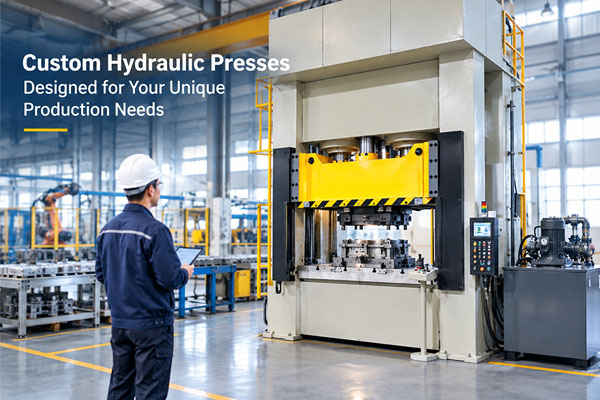
At Delishi Hydraulic Machinery, we design and manufacture hydraulic presses according to the actual requirements of each production process. From selecting the right tonnage to integrating automation and safety systems, our engineering team develops press solutions around your products, materials, tooling, and production goals.
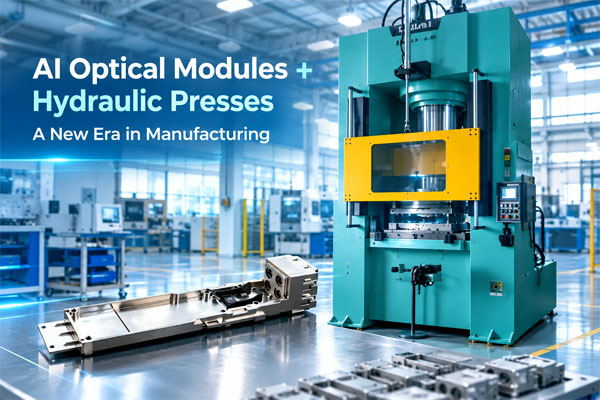
Looking for a hydraulic press solution for AI optical modules, heat sinks, optical communication components, or other precision metal parts? Delishi Hydraulic Machinery can develop a customized press system around your forming process, production volume, and automation requirements.

Not all hydraulic press suppliers are the same. Here's why choosing a true manufacturing partner can transform your production efficiency, quality, and long-term success.

Energy costs are eating into your margins. Every stroke of a conventional hydraulic press wastes power through continuous pump operation, heat generation, and pressure losses. The solution is already here—and it delivers savings you can measure on your bottom line.

With nearly three decades of experience in hydraulic press manufacturing, Delishi is now taking a bold step into the future. The new smart servo hydraulic press manufacturing base is more than just a factory—it is a powerful engine designed to drive innovation, elevate product quality, and serve customers around the world.

Choosing between a hydraulic press and a mechanical punch press isn’t just about the machine — it’s about your metal fabrication yield. The wrong choice can eat into your margins with scrap, tool wear, and rework. The right choice? It unlocks higher throughput, better part quality, and lower cost per piece.
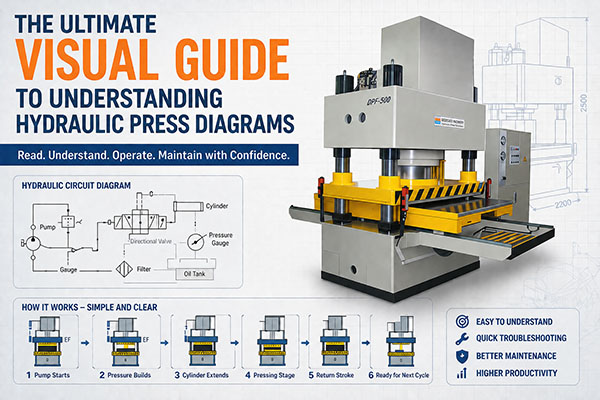
A hydraulic press diagram might look like a complex web of lines and shapes at first glance, but it is simply the language of fluid power. Once you understand the symbols and follow the flow, the mystery disappears, and you are left with a profound appreciation for the engineering that shapes our world.Whether you are an engineer, a maintenance technician, or a curious hobbyist, the ability to "read" a hydraulic diagram empowers you to understand, operate, and respect these incredible machines.
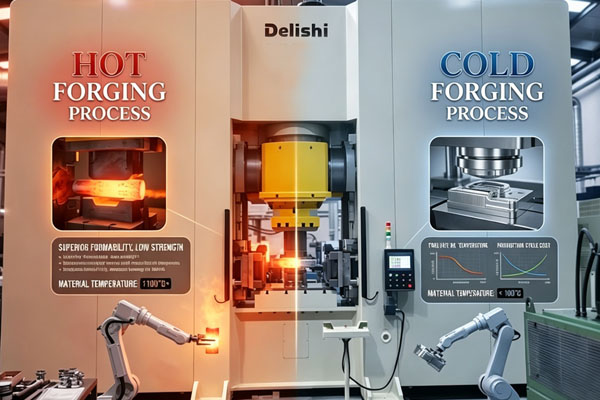
When it comes to forging with hydraulic presses, one of the most critical decisions you'll make is whether to use hot forging or cold forging. Both processes have distinct advantages, but the right choice depends on your material, part geometry, production volume, quality requirements, and budget.
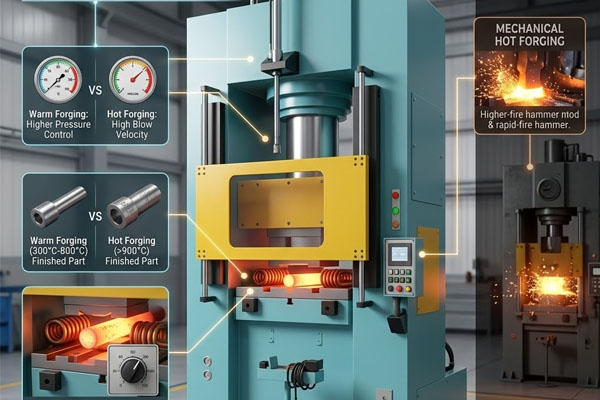
For decades, mechanical hot forging presses dominated high-volume metal forming. But a quieter revolution is underway: hydraulic warm forging. By combining precise hydraulic control with moderate temperature ranges (650°C–950°C), hydraulic warm forging presses outperform traditional mechanical hot forging in ways that aren't always obvious.
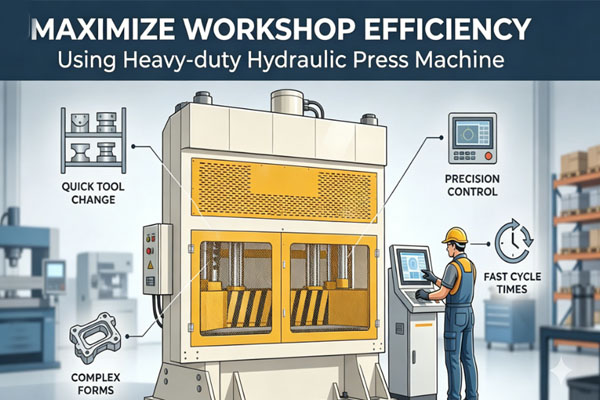
Delishi heavy-duty hydraulic press machines are engineered to streamline production workflows, eliminate inefficient operation links, and help manufacturers maximize workshop output while maintaining stable, long-term production performance.
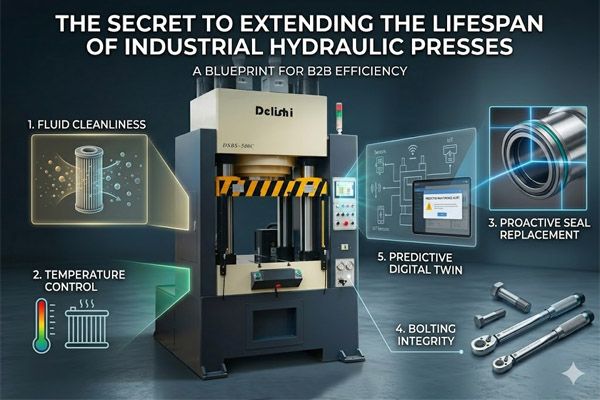
Industrial hydraulic presses are the backbone of many manufacturing operations, from metal forming and automotive production to aerospace and heavy equipment fabrication. These powerful machines are designed for durability, but without proper maintenance and operation, even the most advanced hydraulic press can suffer from reduced efficiency, costly downtime, and premature failure.
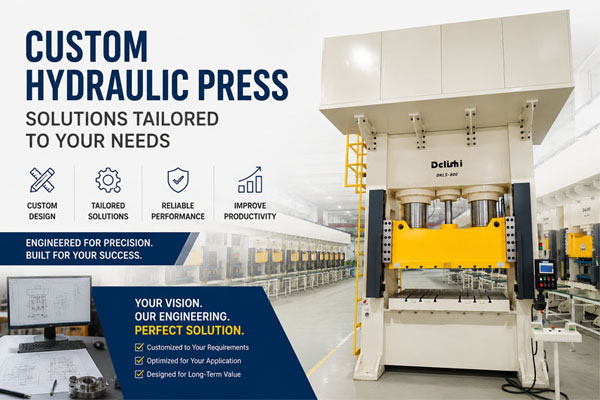
Whether you’re forming high-strength aerospace alloys, molding composite components for electric vehicles, or assembling intricate medical devices, an off-the-shelf solution often comes with compromises you shouldn’t have to make. Delishi/Goodsjack provide hydraulic press systems engineered specifically for your application.
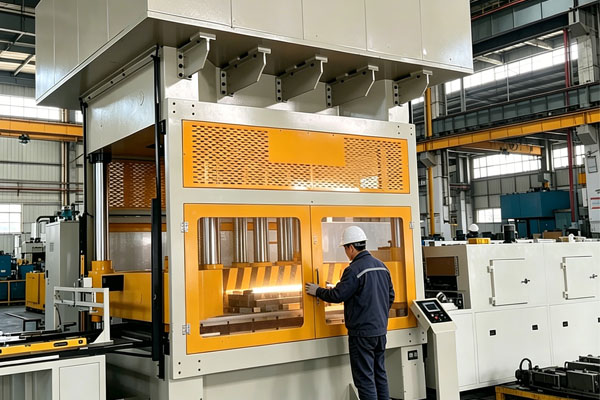
A servo hydraulic press is a advanced forming machine that combines the high force of hydraulic systems with the precision control of servo motors. It operates on Pascal’s law, using a servo motor to drive a hydraulic pump, creating a closed-loop control system that automatically adjusts to input changes for displacement, speed, or pressure.
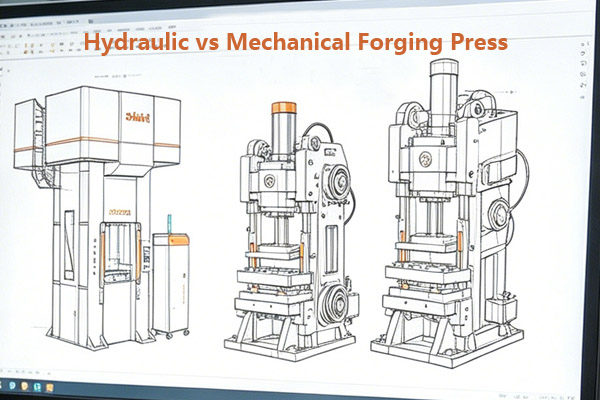
Choosing between a hydraulic forging press and a mechanical forging press is one of the most consequential decisions a manufacturer can make. Get it right, and your production line runs efficiently, your tooling lasts longer, and your parts come out consistently within spec. Get it wrong, and you will face a cascade of problems—shorter tool life, creeping scrap rates, frustrated operators, and a machine that underperforms forever.
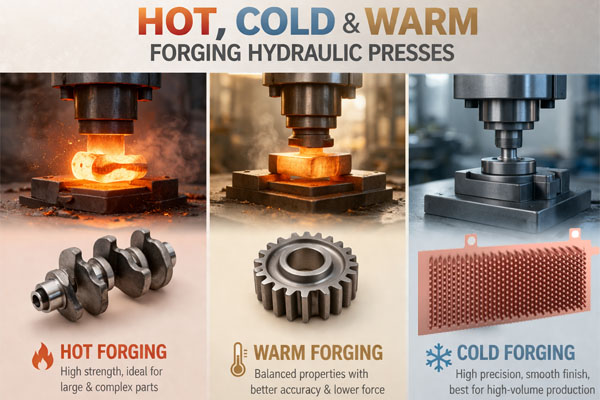
Selecting the right forging process is essential for achieving the best results in strength, precision, and production efficiency. Whether you are manufacturing automotive parts, industrial components, or precision hardware, understanding the differences between hot, cold, and warm forging hydraulic presses will help you make a smarter decision.
 +86-13509801050
 E-mail
