

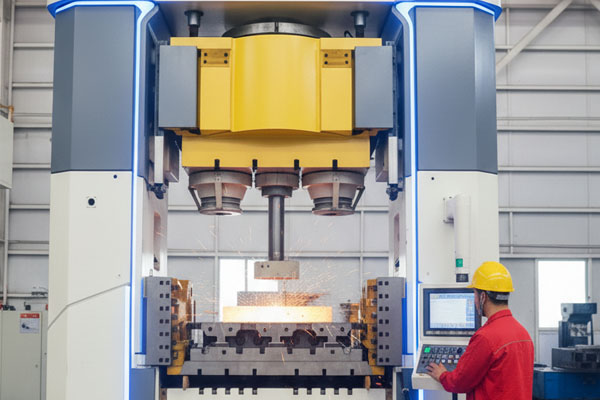
In the world of metal forming, the choice of equipment dictates not only the shape of a part but its very integrity. While mechanical presses and hammers have long been staples of the industry, the hydraulic forging press has emerged as the cornerstone of modern, high-precision manufacturing. By substituting brute impact with intelligent, sustained force, these machines offer a strategic advantage in both operational efficiency and final product quality. From automotive crankshafts to aerospace structural parts, hydraulic forging technology is redefining what manufacturers can achieve in terms of efficiency and product quality.oduction.
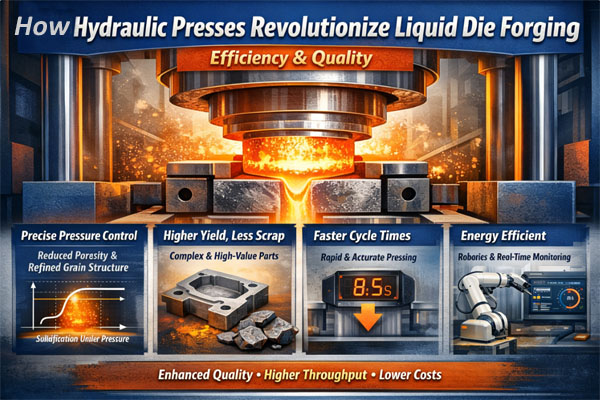
Liquid die forging, a pivotal metal-forming process that bridges the gap between casting and traditional forging, has long been prized for producing components with high density, excellent mechanical properties, and complex shapes. However, its full potential remained untapped until the integration of hydraulic press technology. Today, hydraulic presses stand as the backbone of modern liquid die forging operations, delivering transformative improvements in both efficiency and quality that have redefined standards across industries ranging from automotive and aerospace to heavy machinery and consumer electronics. This article delves into the mechanisms through which hydraulic presses revolutionize liquid die forging, highlighting the technical advancements and tangible benefits that make this synergy a game-changer.
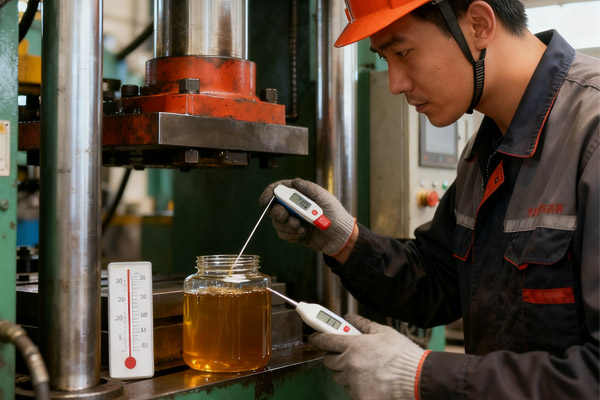
Hydraulic fluid is the "lifeblood" of your hydraulic press—responsible for power transmission, component lubrication, and corrosion protection. Proper maintenance of this fluid directly prevents costly downtime, reduces wear on valves and pumps, and extends the overall lifespan of your press machine.

Hydraulic presses are indispensable tools in manufacturing, fabrication, and repair for tasks like bending, punching, molding, and assembly. Among the most common types are the H-Frame and the Four-Column presses. While both use hydraulic power to generate immense force, their design, capabilities, and ideal applications differ significantly. How to choose, depends on your workflow, precision needs, and budget. Below is a detailed breakdown of their core differences, use cases, and decision criteria.
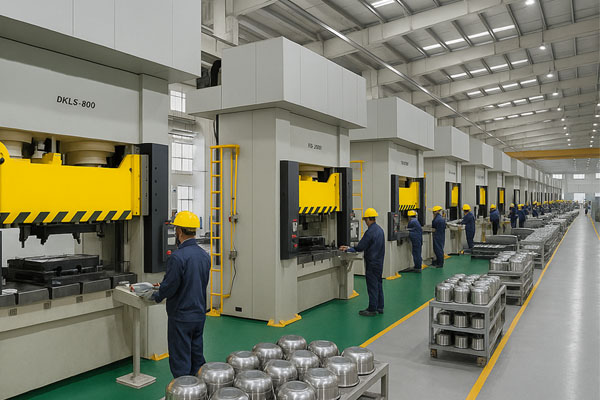
When purchasing a hydraulic machine for a stainless steel kitchenware manufacturer, the core is to conduct an assessment based on four dimensions: product process requirements, production efficiency, equipment stability, and comprehensive cost. This ensures that the hydraulic machine accurately match the stretching forming process of kitchenware (such as pots, sinks, and thermos flask liners), while taking into account the economy and reliability of long-term production.
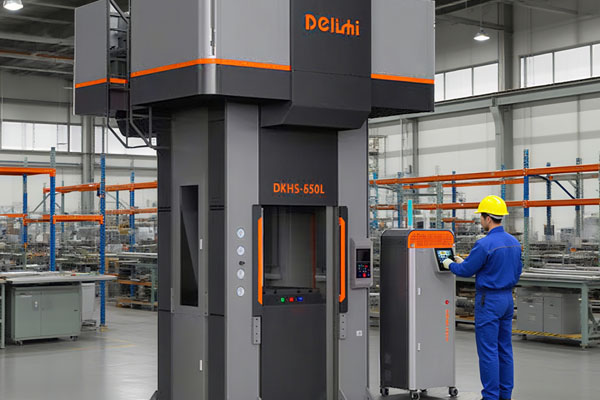
In the ever - evolving landscape of industrial machinery, high - speed hydraulic machines have emerged as a game - changer, revolutionizing various manufacturing processes. These machines are designed to deliver exceptional performance, speed, and precision, meeting the demands of modern high - volume production.

Hydraulic machines are widely used in industries such as automotive, kitchenware, and electrical products etc, due to their power and precision. However, hydraulic systems can be energy-intensive, leading to high operational costs and environmental impact. Improving hydraulic machine efficiency is crucial for reducing energy consumption, lowering costs, and enhancing sustainability.
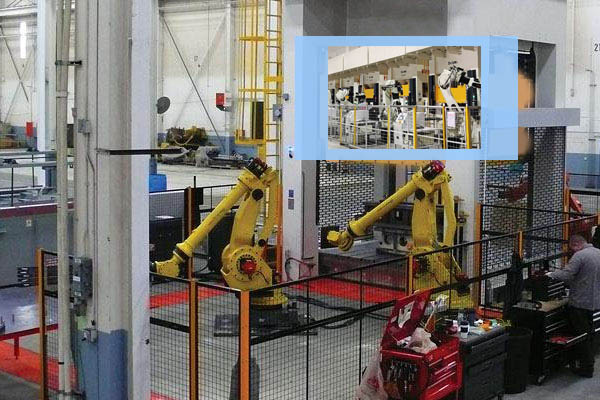
If you're looking for a high-precision hydraulic machine for sale, you've come to the right place. Hydraulic machines are essential in global manufacturing for tasks requiring high force, precision control, and durability. Delishi/Goodsjack high-precision hydraulic machines are available for sale, offering solutions for global manufacturing needs, particularly in metal forming, stamping, and other precision applications. These machines are designed for various industries and can be customized to meet specific requirements, with features like stable pressure output, flexible operation, and robust construction for demanding tasks.
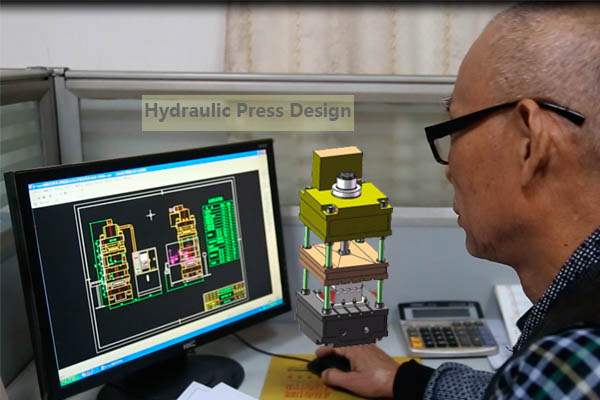
When designing a hydraulic press, there are 3 core key elements to consider: performance parameters, structural design and control system.
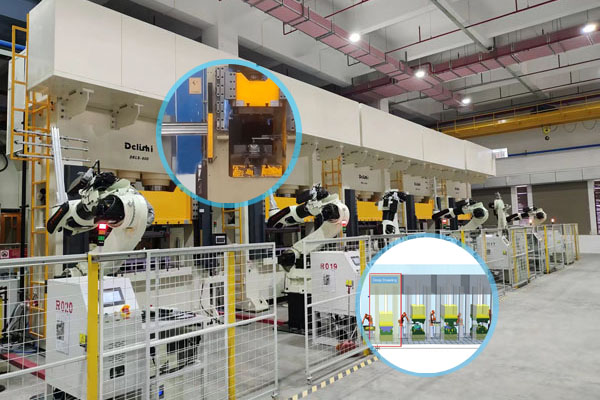
Customized hydraulic presses are essential for meeting specific industrial or manufacturing needs that standard models cannot fulfill. We are specialized in making hydraulic presses with the capacities, measurements and technical characteristics adapted to your needs from 5 up to 5000 tons. Custom-made hydraulic presses are our expertise and they have the high, long-lasting quality that GOODSJACK is known for.
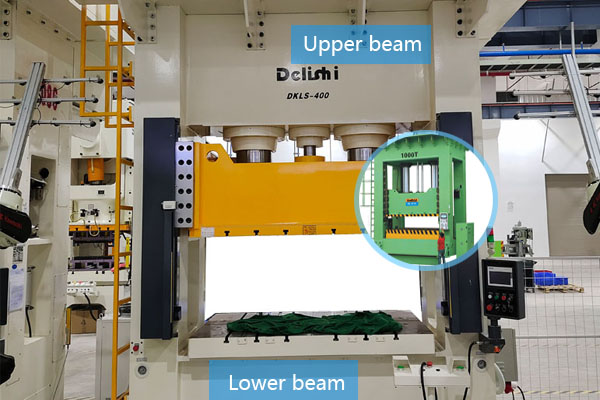
The development of a new double-beam hydraulic press involves several critical steps, including structural design and topology optimization.

Hydraulic presses are powerful machines that require strict safety precautions to prevent accidents and injuries.
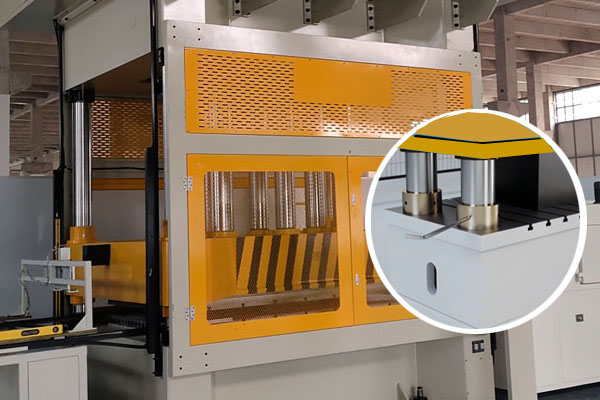
The four corner leveling system of hydraulic press is an important device used to ensure that the hydraulic press slide remains level during movement.
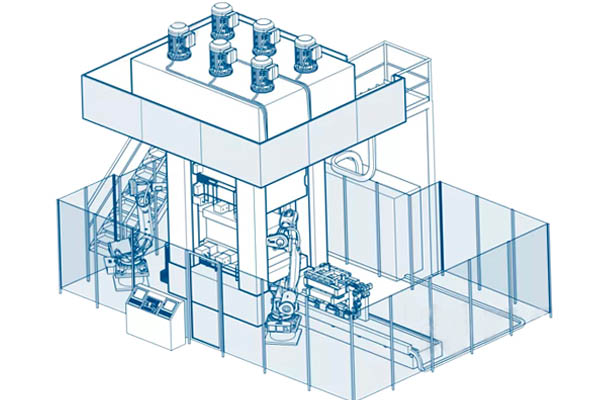
4 post hydraulic press is a kind of mechanical equipment that uses the static pressure of hydraulic oil to be transported by oil pump to process metal, plastic, rubber, wood, powder and other products. The optimal design scheme of the 4 post hydraulic press can be adjusted and improved according to the actual situation.
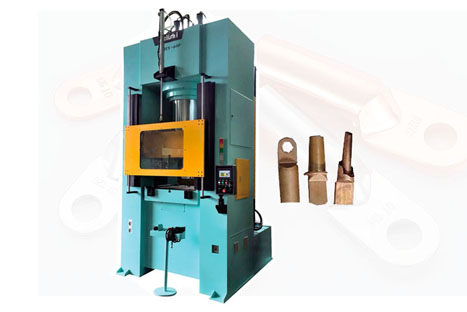
Cold forging hydraulic press for copper terminal lug, is to press copper material into a terminal of a specific shape by a hydraulic press. The specific forming process may vary depending on the shape and requirements of the terminal.
 +86-13509801050
 E-mail
